

Guest Bloggers
-

Louisa Benton
Executive Director
-
Steven P. Roose, M.D
Professor of Clinical Psychiatry
-

Huda Akil, Ph.D
DTF Chair
2023 Year-End Update: Major Research Announcement,
December 21, 2023
As the year draws to a close, we are excited to share a brief video announcement of breakthrough progress at the Hope for Depression Research Foundation (HDRF).
Dr. Eric Nestler, Chair of the Depression Task Force, shares the news at our 17th Annual HOPE Luncheon Seminar in November.
Your support is why our Depression Task Force has been able to conduct the bold and ambitious science to find the next generation of treatments for anxiety and depression.
Please consider a year-end gift to maintain the critical research momentum. Our mission is more urgent than ever.
Spring 2023 Newsletter,
July 12, 2023
 Loading...

 Reload document
  Open in new tab
Meet Cortney Turner, a Young Scientist in Our Depression Task Force (DTF) Labs,
June 27, 2022
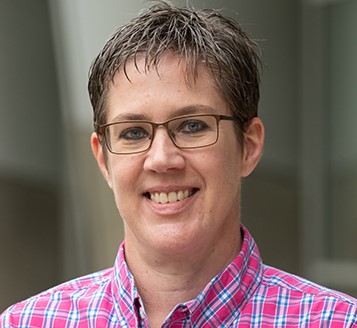
Cortney Turner is an Associate Research Scientist in the lab of DTF member Dr. Huda Akil, University of Michigan.
I became interested in depression research because of my own personal experience. At age 14, my freshmen year of high school, I was hospitalized with severe depression. It was 1991, and the psychiatrists didn’t really know how to help me. I was put on Prozac and other antidepressants, none of which helped me. I decided to dedicate my life to research and finding better predictors and treatments for depression, so that others don’t have to go through what I went through.
Click here to read the full article…
HDRF Depression Task Force in the News,
October 8, 2019
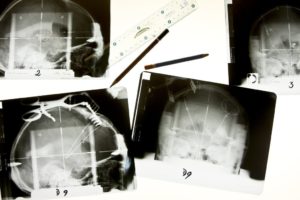
We’re pleased to share the recent New York Times coverage of major results from the lab of Depression Task Force member Helen Mayberg, a professor of neurology, neurosurgery, psychiatry, and neuroscience at Mount Sinai.
Brain Stimulation Shows Promise in Treating Severe Depression reports on Dr. Mayberg’s pioneering work in Deep Brain Stimulation (DBS) — a novel treatment for severe depression that involves implanting electrodes in the middle of the brain.
Click here to read the full article…
New Hope for PTSD Treatment,
May 16, 2019
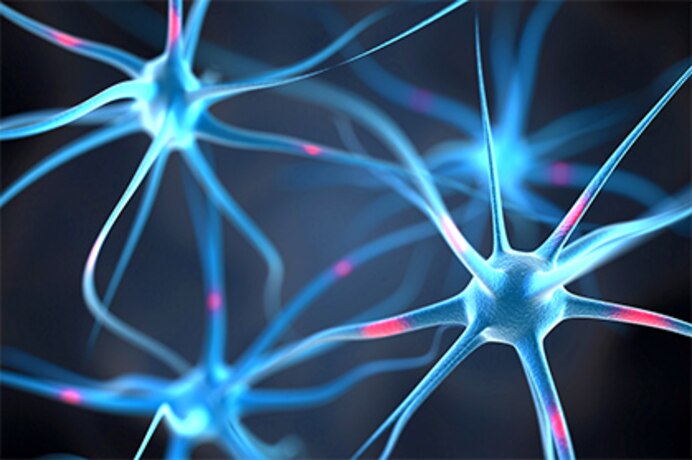
Newly Identified Neural Circuit May Be Target for Future PTSD Treatments
A research team funded by the Hope for Depression Research Foundation (HDRF) has identified a specific circuit of young adult-born neurons in the brain that plays a key role in the recognition of a safe versus hazardous situations.
Their findings, recently published in Science, could pave the way for more targeted treatments for conditions such as PTSD that are associated with hypervigilance and recurrent distressing memories.
Click here to read the full article…